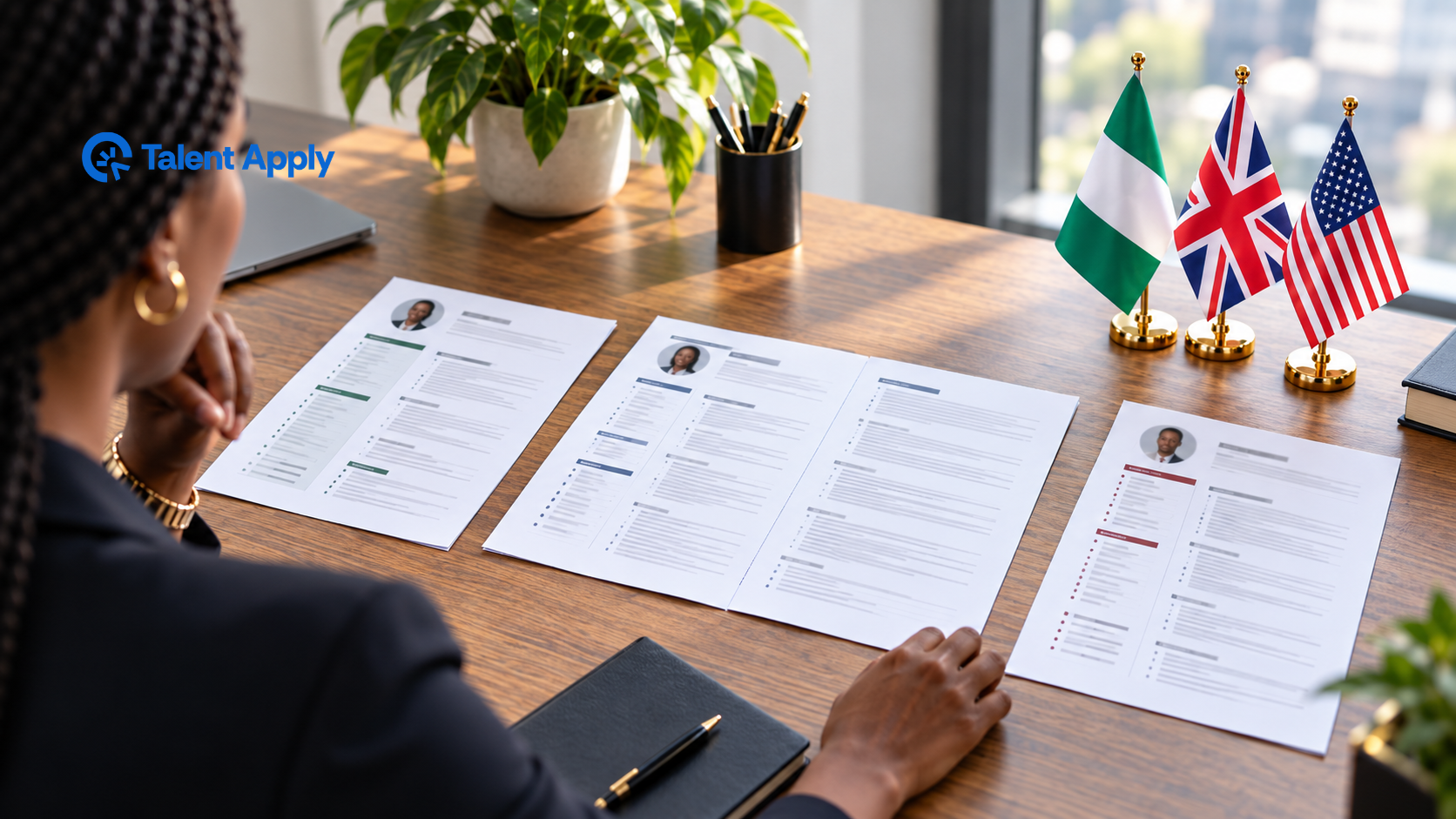
The hardest part of job hunting isn’t rejection.
It’s the silence.
You spend hours crafting a resume that speaks directly to the role, tailoring your cover letter, submitting everything before the deadline — and then… nothing. No confirmation, no update, just a quiet inbox and an overactive mind.
This isn’t just frustrating. It’s disorienting.
Because when there’s no feedback, you start questioning everything:
Did they even get my application?
Was my resume not strong enough?
Should I wait, or follow up?
Let’s clear the air: following up after a job application is not annoying, it’s necessary. Done right, it’s professional, respectful, and often the thing that brings your application back to the top of the pile.
But you need to know when to follow up, what to say, and how to say it.
You’re Not “Bothering” Them, You’re Showing Intent
There’s a myth that following up makes you seem desperate. That’s not true. Most hiring managers appreciate it when candidates take initiative, especially those who do it with emotional intelligence and timing.
The right follow-up can change your outcome.
I’ve seen applicants get overlooked until they followed up and were suddenly invited to interviews. Not because their resume changed. But because their presence stayed top of mind.
In a hiring scene where dozens (sometimes hundreds) of applications are submitted for a single role, you can’t assume yours will magically stand out just because it’s good.
You have to nudge.
So, When Should You Follow Up?
-
If there’s no deadline in the job post: Wait 7–10 business days after submitting your application.
-
If there was a closing date: Wait about a week after the closing date before reaching out.
And if you already had a conversation, referral, or informal chat? A thank-you email within 24 hours, then a follow-up 5–7 days after applying is perfectly reasonable.
What Should Your Follow-Up Say?
Here’s the structure that works:
-
Be polite and professional
-
Mention the specific role
-
Express continued interest (genuinely)
-
Offer to provide additional information
-
Keep it short, under 150 words is ideal
Real-World Email Templates You Can Adapt
Template: General Follow-Up
Subject: Checking In – [Job Title] Application
Hi [Hiring Manager’s Name],
I hope your week is going well. I wanted to follow up on my application for the [Job Title] role I submitted on [Date]. I remain very excited about the opportunity to contribute to [Company Name] and bring my experience in [Your Skill/Field] to the team.
If there’s any additional information you need from me at this stage, I’d be happy to provide it.
Warm regards,
[Your Name]
Template: After a Referral or Informational Chat
Subject: Following Up After Our Conversation
Hi [Name],
Thank you again for speaking with me last week. Our conversation deepened my enthusiasm for the [Job Title] role and for what [Company Name] is building.
Just checking in to see if there have been any updates on the application process. I’d love the chance to move forward and contribute to the work your team is doing.
Best,
[Your Name]
Common Follow-Up Mistakes (And How to Avoid Them)
-
Don’t follow up too soon. Give it a week. Don’t rush the process.
-
Don’t send a “just checking in” email with no context. Add value, remind them who you are and why you’re a great fit.
-
Don’t spam multiple team members. Be intentional. One follow-up to the hiring manager or recruiter is enough.
-
Don’t assume silence means rejection. Internal processes move slower than we expect.
If You’re Tired of the Guesswork…
Following up is just one piece of the puzzle.
The larger issue is that job searching is mentally and emotionally exhausting. Between writing tailored resumes, tracking deadlines, crafting cover letters, and prepping for interviews, it’s a full-time job in itself.
That’s where TalentApply comes in.
It’s more than a job board, it’s your intelligent job-hunting companion.
From AI-generated follow-up emails and optimized resumes to real-time application tracking and LinkedIn profile reviews, TalentApply helps you approach your search with structure, clarity, and confidence.
You don’t have to chase updates blindly anymore. You can job hunt with a plan.
The follow-up email isn’t just a formality. It’s an act of self-advocacy.
It says: I care about this opportunity. I respect your time. And I believe I’m a good fit.
And in a world of passive applicants, that small signal can make a big difference.
So write the email. Send the nudge.
You’re not being pushy, you’re being present.